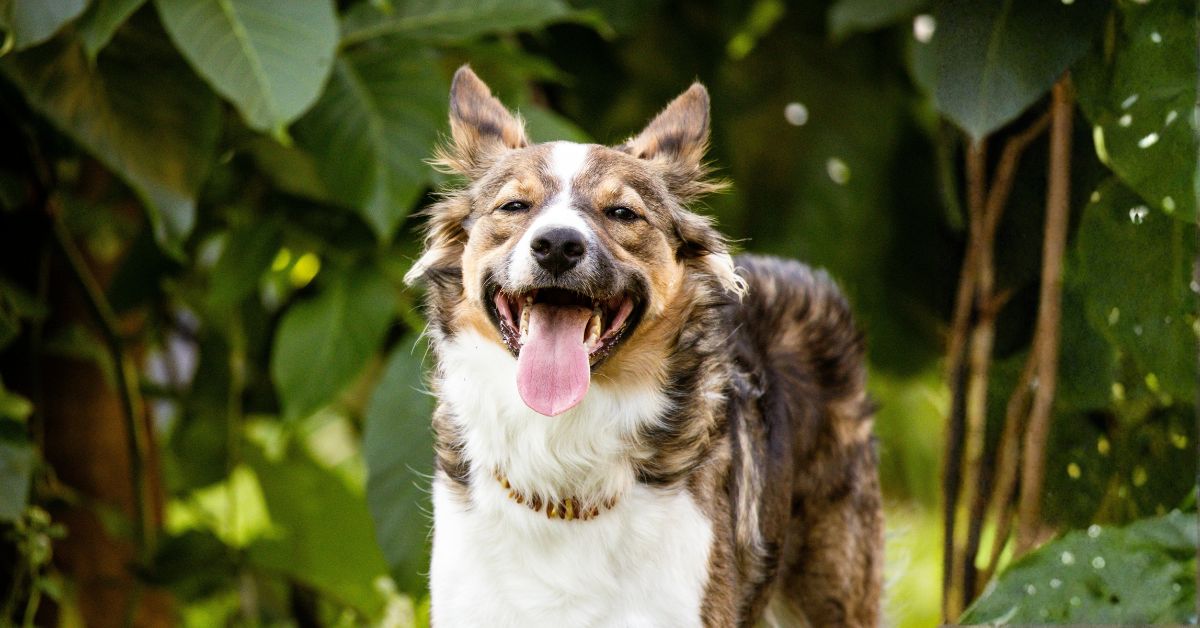
TL;DR — When to act on your dog’s panting: Healthy panting is relaxed and matches the moment (a hike, warm day, play). Watch and call your regular vet within 24 hours if your dog pants at rest, in a cool room, or with stress signals. Go to the emergency vet now if heavy panting is paired with bright-red, pale, or blue gums, collapse, vomiting, or struggle to breathe. Heat stroke can become fatal in as little as 15 minutes. Tonight’s action: count your dog’s resting breaths for one full minute and check their gum color, then save those numbers as your baseline.
You’re halfway up a sun-warmed Colorado trail. Your dog is happy, tongue hanging long, sides heaving with each fast breath. You smile, and then pause. Is this just normal panting, or something more?
That moment of doubt is one every active pet parent knows. Panting is a dog’s primary way of regulating body temperature. They don’t sweat through their skin the way we do, so they breathe out heat instead. It’s also the most common behavior you’ll see in your dog, and the easiest to misread.
A relaxed pant after a hike is healthy. A heavy, frantic pant on a still-warm afternoon can be an early warning of heat stroke, pain, or respiratory distress. The difference between the two can shape the rest of your day, and sometimes, your dog’s life.
This guide gives you a vet-informed playbook: why dogs pant, how to calm one quickly, the red flags that mean it’s time to call the vet, what nighttime panting really means, and the everyday habits that keep adventures safe.
Why Do Dogs Pant? The Quick Science of How They Stay Cool
Before you can calm a panting dog, it helps to know what panting actually is.
Panting Is Your Dog’s Built-In Air Conditioner
Dogs don’t sweat the way we do. Panting is their primary cooling system. When your dog breathes fast and shallow with their mouth open, water evaporates from their tongue, nose, and lungs, pulling heat out of the body the same way sweat cools your skin.
This is why a happy pant after a hike, a warm walk, or a backyard play session is normal. The pant should match the moment. Hot day, long run, big game of fetch: heavy breathing makes sense.
It also helps to know your dog’s resting baseline. A healthy dog takes 15 to 35 breaths per minute at rest, and anything above 40 breaths per minute when calm is considered abnormal. Count your dog’s breaths once during a calm evening (chest rises in 60 seconds) and you’ll have a number you can trust later.
When Panting Isn’t About Heat
Heat is just one trigger. Dogs also pant for emotional and medical reasons:
- Excitement panting, rapid and shallow, often paired with whining.
- Stress or anxiety panting, paired with wide eyes, yawning, or looking away. Body language tells the story before the panting does.
- Pain or nausea panting, often the first warning sign before any limp or whimper.
- Medication side effects. Prednisone and other steroids commonly cause increased panting.
A pant that matches the moment is healthy. A pant that doesn’t is information your dog is giving you.
How to Calm a Panting Dog: Step-by-Step
Once you know why your dog is panting, the next step is knowing what to do. The right response depends on the cause.
How Do I Cool Down an Overheated, Panting Dog?
The goal is gradual cooling, not shock cooling. Pouring ice water or hosing your dog down with very cold water can constrict skin blood vessels and actually trap heat inside the body, a mistake highlighted in current veterinary heatstroke guidance.
Move your dog to shade or air conditioning, offer small amounts of cool (not ice-cold) water, wet the belly, paws, ears, and groin with cool tap water around 59 to 68°F, and use a fan to speed evaporation. Stop the activity completely. If panting doesn’t ease within five minutes, treat it as a heat-stroke emergency and skip to the emergency steps below. See our full heat stroke prevention guide for warm-weather adventures.
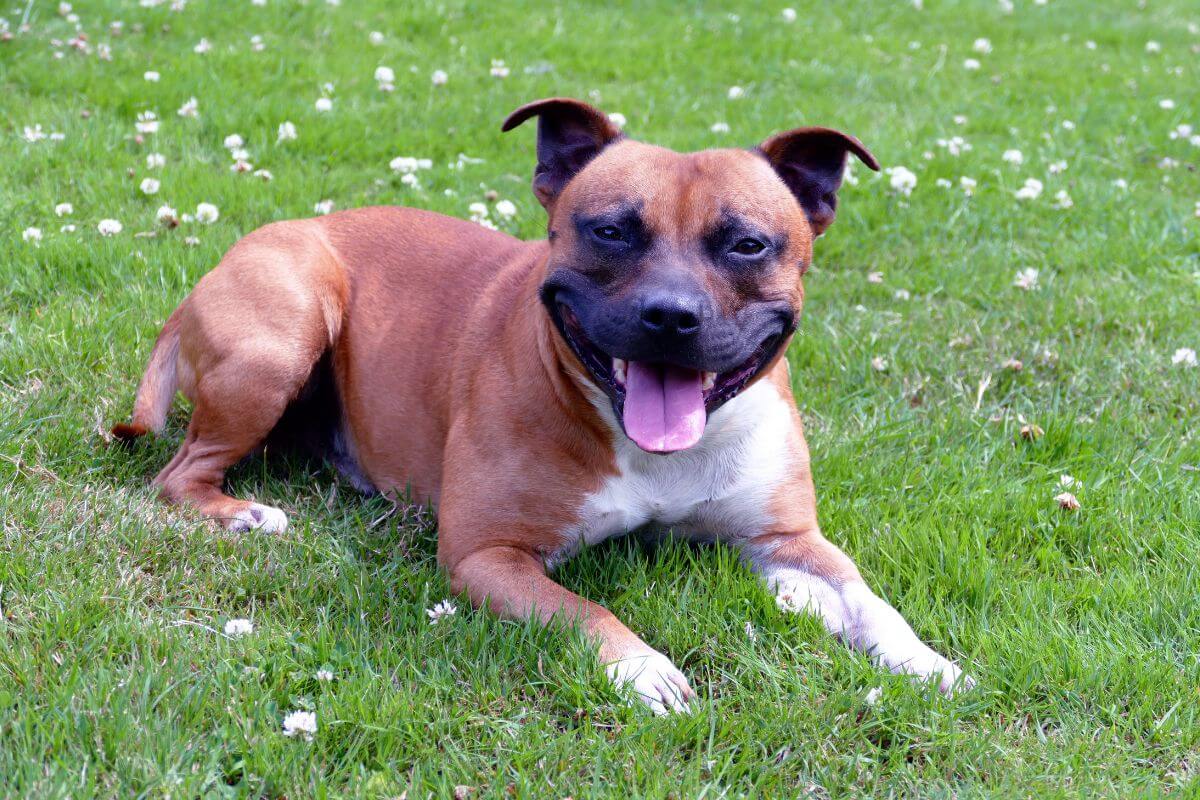
A relaxed pant after exercise looks like this — body settled, eyes calm, breathing steady. Healthy panting matches the moment.
How Do I Calm a Dog Panting From Stress or Anxiety?
Stress panting calls for a quieter approach. Identify the trigger (fireworks, a thunderstorm, a stranger, separation), then remove or reduce it, or move your dog to a calmer, dimmer space. Try a calming pressure tool like an anxiety vest, or a vet-recommended pheromone diffuser. Speak quietly and give your dog a safe spot to retreat to.
What If My Dog Is Panting From Pain?
Pain panting often shows up before a limp or whine. Look for restlessness, reluctance to lie down, enlarged pupils, reduced appetite, or licking at one spot.
Don’t medicate at home. Common human painkillers like ibuprofen, acetaminophen, and naproxen are toxic to dogs and can cause kidney failure, liver damage, or stomach ulcers. Call your vet for an exam.
Dog Panting at Night: When Rest Should Be Quiet
You’ve turned off the lights. The house is cool, and your dog should be settling in. Instead, you hear it: the steady, open-mouth breathing that doesn’t fit the moment. Panting in a cool, calm bedroom is one of the clearest signals that something isn’t right.
Why Is My Dog Panting at Night?
Healthy dogs don’t pant when they’re resting or asleep. Common causes of nighttime panting include pain (often before any limp appears), anxiety flaring in quiet hours, heart disease, Cushing’s syndrome (especially in senior dogs), and lung or metabolic issues.
What Should I Do If My Dog Is Panting at Night?
Run this quick triage:
- Count resting breaths for one full minute. Over 35 to 40 BPM at rest is a flag.
- Check gum color. Lift the lip: pink and moist is normal. Pale, blue, white, or brick red is an emergency.
- Note other changes like cough, lethargy, vomiting, or a swollen abdomen.
- Call an emergency vet if panting persists with any of those signs, or if your gut says something’s wrong.
A dog who used to sleep quietly and now doesn’t is telling you something. This is also exactly why a pet sitter who knows your dog’s baseline matters most.
Signs of Heat Stroke in Dogs: The Red Flags Every Active Owner Must Know
Heat stroke is the worst version of “panting gone wrong.” Heat-related illness can become fatal in as little as 15 minutes. Knowing the signs ahead of time turns a scary moment into a survivable one.
What Does Heat Stroke Look Like in Dogs?
Heat stroke in dogs is a non-fever rise in core body temperature above 104°F (40°C), a true hyperthermia that overwhelms organs in minutes, as outlined by the AKC’s veterinary heatstroke guidance. Signs progress in three stages:
- Early: heavy panting, excessive drooling, bright red gums, hot skin, hyperactivity, trouble keeping balance.
- Worsening: pale or blue gums, vomiting, diarrhea (sometimes bloody), tremors, weakness, collapse.
- Severe: seizures, unconsciousness, coma. A 911-level emergency.
If you see any early signs, treat it as urgent. Don’t wait to see if it gets worse.
Which Dogs Are Most at Risk?
- Brachycephalic (flat-faced) breeds: Bulldogs, French Bulldogs, Pugs, Boxers, Boston Terriers. A peer-reviewed study of more than 900,000 UK dogs found brachycephalic breeds had roughly 2.4 times the odds of heat-related illness.
- Overweight dogs, senior dogs and puppies, dogs with heart, lung, or laryngeal conditions.
- Thick or dark-coated dogs in warm weather (Bernese Mountain Dogs, Huskies, black Labs).
- Dogs with prior heat stroke. Re-occurrence risk stays elevated for life.
What Should I Do If My Dog Has Heat Stroke?
Cooling speed is the single biggest factor in survival. Move your dog to shade or AC, wet the body with cool (not ice) water focusing on belly, paws, armpits, and groin (avoid sun-heated hose water), use a fan or AC, offer small sips of water if conscious, and drive to the nearest emergency vet immediately. Complications can develop hours later.
On every Colorado group hike, the Off Road Paws team checks pavement temperature with the back of a hand, takes shade breaks every 15 to 20 minutes on warm days, and carries fresh water for every dog. Never leave a dog in a parked car, a hazard the ASPCA flags as life-threatening.
Dog Heavy Breathing: When Panting Becomes Something More Serious
Sometimes the warning is quieter. Chronic illness often shows up first as a change in breathing pattern.
How Can I Tell If My Dog’s Heavy Breathing Is Serious?
The tired pant slows down with rest. Respiratory distress doesn’t. Respiratory distress is difficulty breathing that doesn’t ease with rest, and it’s almost always a veterinary emergency, as outlined by Today’s Veterinary Practice.
Watch for:
- Heavy or fast breathing louder, harsher, or wheezier than your dog’s normal pant.
- Open-mouth breathing while at rest or sleeping in a cool room.
- Visible effort with each breath, with chest and belly muscles working hard.
- Coughing, gagging, or a change in bark. A raspy pant in older Labs or Goldens can point to laryngeal paralysis.
- Tongue or gum color shifting from pink to blue, purple, or grey — a true emergency.
If you see any of these signs, head to the vet, and take a short phone video on the way. Breathing can look very different in the exam room than at home.
What Conditions Cause Heavy Breathing in Dogs?
- Heart failure, usually paired with cough and reduced exercise tolerance.
- Cushing’s syndrome: heavy panting plus increased thirst, urination, hair loss, and pot-bellied appearance.
- Lung disease (pneumonia, tumors, pulmonary edema), often with cough or fever.
- Laryngeal paralysis, a characteristic raspy, noisy pant in older large breeds.
- Anemia, poisoning, or metabolic conditions, which can present as sudden, unexplained panting.
A pant that doesn’t recover with rest is no longer just a pant. It’s a symptom. Recognizing these patterns early often opens the door to treatment that keeps active dogs active.
Prevention: Adventure-Ready Habits for Active Dogs
A few simple habits keep your dog’s panting in the healthy zone, even on the busiest days.
What Should I Do Before a Walk or Hike in Hot Weather?
Check the temperature and humidity. Humidity blocks evaporative cooling. Plan walks for early morning or evening in summer. Test the pavement with the back of your hand for seven seconds: too hot for you, too hot for paws. Pack collapsible bowls and twice the water you think you’ll need. Know your dog’s baseline.
How Do I Keep My Dog Safe on the Trail?
Take rest breaks in shade every 15 to 20 minutes on warm days. Watch for early panting changes like slowing down, lying flat, refusing to move forward — these are signals, not stubbornness. Avoid hot asphalt; choose grass or shaded paths. Never leave your dog in a parked car. Interior temps can climb from 70°F to over 100°F in under 20 minutes. For brachycephalic breeds, scale activity down in any weather above 70°F (21°C).
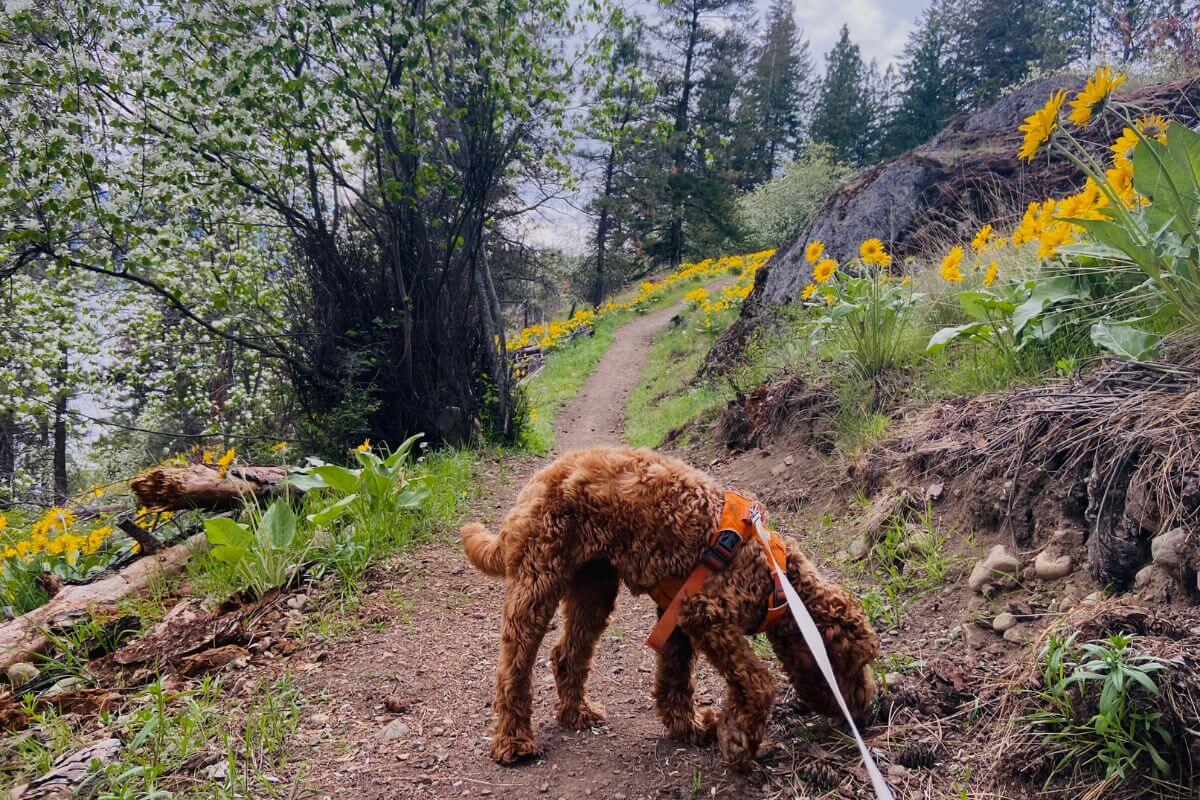
Every nose-down moment on the trail is a signal worth reading. Off Road Paws walkers and hikers know the difference between a dog exploring and a dog slowing down from the heat.
How Do I Choose Safe Pet Care When I’m Away?
Choose pet care providers who can spot abnormal panting and act on it. Share your dog’s medical history, medications, and resting respiratory baseline. Provide emergency vet contact info and written authorization to seek treatment.
Founded in 2015 by Dr. Kira, a licensed veterinarian with 12+ years of small-animal medical experience, Off Road Paws trains every walker, runner, and pet sitter to recognize abnormal panting, gum-color changes, and early heat-stress signals. Recognition is a skill, and not every walker has it. Whether you need adventure hiking partners or in-home pet sitting in Louisville, Lafayette, Broomfield, and South Boulder, our team adapts to your dog’s needs — including senior, anxious, brachycephalic, and post-heatstroke dogs.
When to Call the Vet (And When to Skip Straight to Emergency)
If your dog has pale, blue, or brick-red gums, struggles to breathe at rest, or collapses, go to the emergency vet immediately. If your dog is alert and stable but panting in a way that doesn’t quite fit the moment, call your regular vet within 24 hours. When in doubt, default to the call.
When Should I Call My Regular Vet About My Dog’s Panting?
- New, persistent panting in an otherwise alert dog who’s eating, drinking, and acting normally.
- Possible medication side effect, especially recent prednisone or steroid.
- Mild stress panting becoming a pattern even when triggers are removed.
- Subtle changes in breathing rhythm without weakness, collapse, or color changes.
When Is Dog Panting a True Emergency?
Minutes matter. Heat stroke can become fatal in as little as 15 minutes. Call ahead, then drive in if you see:
- Suspected heat stroke (heavy panting plus hot skin, drooling, weakness, or collapse).
- Pale, blue, white, or brick-red gums (oxygen or circulation compromised).
- Open-mouth breathing at rest, or visible chest and belly effort.
- Panting paired with shaking, vomiting, seizures, or unconsciousness.
- Sudden, unexplained heavy panting with no obvious trigger.
When in doubt, call. A two-minute phone consult costs nothing and could save your dog’s life.
Frequently Asked Questions About Dog Panting
Why is my dog panting so much when it’s not hot?
Dogs pant for reasons beyond heat, including pain, stress, anxiety, medication side effects (especially steroids like prednisone), and underlying conditions like heart disease or Cushing’s syndrome. If panting appears without an obvious heat or excitement trigger, treat it as information worth tracking and call your vet within 24 hours.
How can I quickly calm a panting dog?
Match the response to the cause. For heat: move to shade or AC, offer small sips of cool water, wet the belly and paws, and use a fan. For stress: remove the trigger, move to a quieter space, and try a pressure vest or pheromone diffuser. For suspected pain: don’t medicate at home, call your vet.
Is it normal for dogs to pant at night?
No. Healthy dogs don’t pant when resting or asleep. Nighttime panting in a cool, calm room often signals pain, anxiety, heart disease, Cushing’s, or respiratory issues. Count breaths (over 35 to 40 per minute at rest is a flag), check gum color, and call your vet if anything else seems off.
What are the first signs of heat stroke in dogs?
The earliest signs are heavy panting, excessive drooling, bright red gums and tongue, hot skin, hyperactivity, and trouble keeping balance. Heat stroke can become fatal within 15 minutes. At the first sign, move to shade, cool with water (not ice), and drive to the emergency vet.
How many breaths per minute is normal for a dog at rest?
A healthy dog takes 15 to 35 breaths per minute at rest. Anything above 40 breaths per minute when calm and resting is considered abnormal and should be checked by a veterinarian, especially in senior dogs or breeds prone to heart or respiratory conditions.
What’s the One Skill Every Active Pet Parent Should Build?
Panting tells a story. The continuum runs like this:
- Healthy pant: relaxed, matches the moment.
- Excitement pant: rapid, shallow, often with whining.
- Stress pant: paired with wide eyes, yawning, looking away.
- Pain pant: sudden or unexplained, often before any limp.
- Warning pant: heavy in heat, or quiet panting in a cool, dark bedroom.
- Emergency pant: collapse, blue or brick-red gums, struggle to breathe. Drive in.
Once you have this in mind, every breath your dog draws becomes information you can act on. Panting is one of the most honest health signals your dog has. Knowing how to calm a panting dog — plus when calming isn’t enough — is a skill that quietly keeps active dogs safe for years.
When you can’t be there yourself, leave your dog with people who take that same baseline seriously. Get in touch with Off Road Paws for a free fit assessment. That’s how active Colorado dogs go on living the kind of full, outdoor lives they were made for.
Reviewed by the Off Road Paws team. Founded in 2015 by Dr. Kira, a licensed veterinarian with 12+ years of small-animal medical experience and a member of the American Veterinary Medical Association and Pet Sitters International. Off Road Paws is fully bonded and insured, recognized as Best Dog Walkers in Boulder on Nextdoor, and trusted by active Colorado families across Louisville, Lafayette, Broomfield, Superior, and South Boulder.