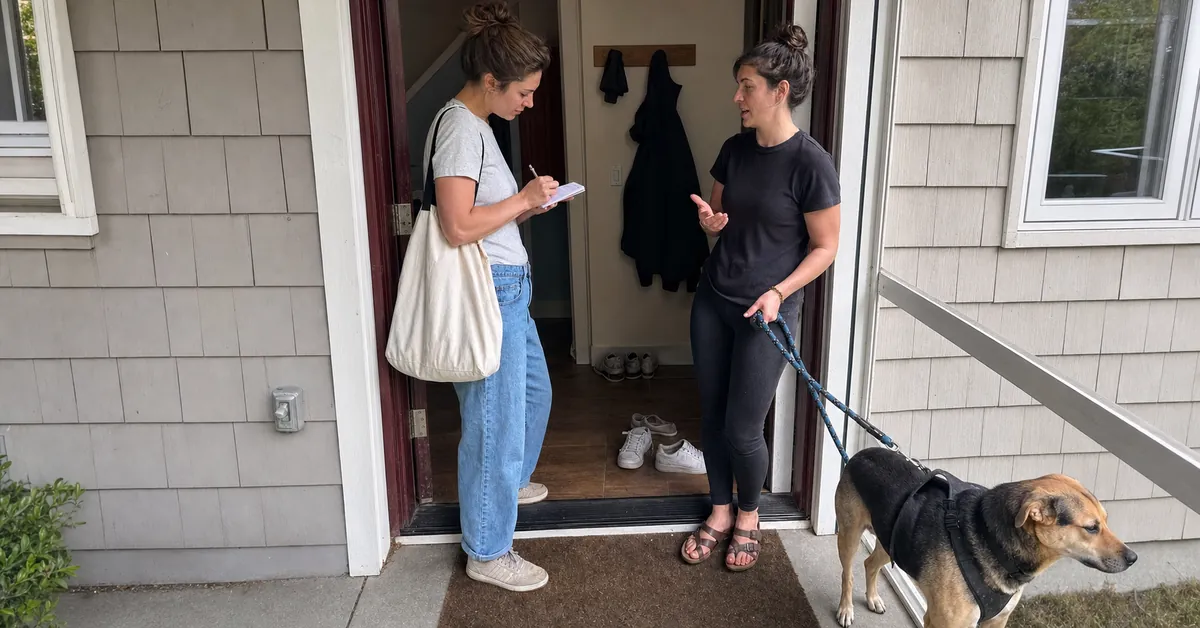
Before any dog sitting job, ask six things: which medications and how to give them, what a normal day looks like hour by hour, what triggers a reaction, which vet to call and what you’re authorized to spend, how to get into the home, and what’s agreed in writing.
The hard part of dog sitting is almost never the dog. It’s the moment the owner’s car pulls away and you realize you don’t know something.
Where’s the leash kept? Is she allowed on the couch? By then your only option is a text and a guess.
That gap is a preparation problem, not an experience problem. The questions to ask when dog sitting are what stand between an ordinary week and a scramble.
This is the intake we work through at Off Road Paws, in six categories: health and medication, daily routine, behavior and triggers, emergencies and vet care, the home itself, and payment and paperwork. All six fit in one meet & greet.
We built these six categories around how a booking actually gets sized up in Boulder County, where a walk can mean trail time, afternoon storms, and off-leash rules that change by the trailhead. They are the questions our own sitters work through, and none of them are proprietary. Use them.
Ask well up front and the owner relaxes. So does the dog. So do you.
What to Ask About Health, Medication, and Diet
Start here. Ask which medications the dog takes and how each one is given, what the exact portion is, which foods are off limits, and where the vaccination records live. Then have the owner show you, not just tell you.
Health questions carry the least room for guessing, and the answers shape everything else you’ll do that week.
Medication questions that need a demonstration, not a description
A dosage written on your notepad isn’t the same as being able to give it. Pills, liquids, eye drops, ear drops, and injections are five different skills.
So ask the owner to give a dose in front of you while you’re both standing there.
- Which medications, what dose, what time. Then watch one go in. Seeing it once beats reading it twice.
- What to do if a dose is missed or refused. Dogs spit pills. Ask who to text when it happens.
- Where medications are stored, and whether there’s enough in the house for the full stay.
- Ongoing conditions, injuries, mobility limits, or recent procedures. A post-surgery dog and an arthritic senior both need a “short walk.” They don’t mean the same thing.
Diet, allergies, and the treats question
A dog can’t tell you the portion was wrong. Feeding mistakes stay invisible for days, which is exactly why they’re worth slowing down on.
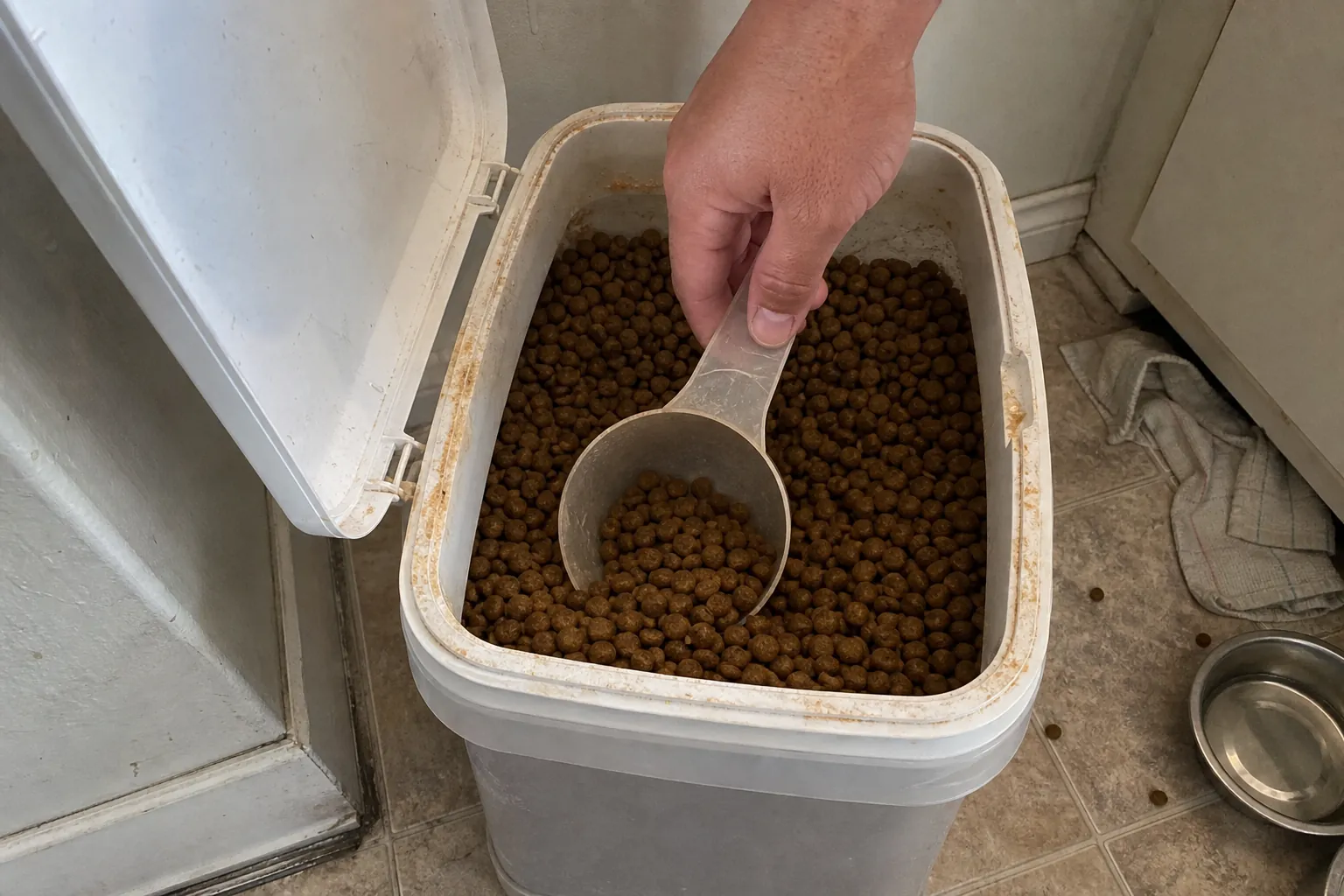
- Amount, frequency, and the measuring tool the owner actually uses. Ask to see the scoop. “One cup” and “one scoop” are rarely the same.
- Food sensitivities and hard no-gos, including human food that’s dangerous for dogs and anything reachable on a counter.
- Treat rules: what’s allowed, how often, and which treat the owner uses for training. You’ll want that one later.
- Water setup, and any restrictions.
- Vaccination and flea and tick currency, and where the records live. An emergency clinic may ask for them.
In summer, we check ears, eyes, nose, and paws after any trail time, including between the toes. Grass awns, the barbed seed heads that come off dry summer grasses, are shaped like lawn darts. They travel in one direction only, which is why they work their way in and don’t back out on their own.
What to Ask About the Dog’s Daily Routine
Ask the owner to walk you through one ordinary day in order, from wake-up to bedtime. Then ask which parts of that day can move and which can’t.
The hour-by-hour walkthrough
Don’t ask topic by topic. Ask for the day in sequence: owners remember their routine as a story, and you’ll get details they’d never think to volunteer.
- Wake time, the first bathroom trip, and where the dog goes.
- Feeding times, and who normally handles them.
- Walk length, time of day, and the usual route.
- Playtime, enrichment, and when the dog naps.
- Evening routine, bedtime, and where the dog sleeps, including whether you’ll need to get up at night to let it out.
- Comfort items, and what the dog does when it can’t find one.
The time-management questions underneath the schedule
A schedule tells you what happens. It doesn’t tell you what matters. Ask which parts hold the day together.
- How long can the dog be left alone? Then ask what it does during that time.
- What’s flexible and what isn’t if your day runs long.
- How the dog behaves when the routine slips: pacing, chewing, barking, accidents, or nothing at all.
- Weekday versus weekend differences. Plenty of dogs run two schedules.
- Whether anyone else is expected to come by, and how the dog reacts to someone at the door.
- How many other animals are in the house, and how they get along.
- How often the owner wants updates, and whether they want photos, texts, or a daily summary.
Write the day down in order as they say it. A sequence is easier to follow at 6am than a list of facts.
What to Ask About Behavior and Triggers
Ask what the reaction looks like, not just what causes it. “Reactive” means barking to one owner and biting to another, and you need to know which one you’re getting.
Triggers, reactivity, and consistency
Owners describe their dogs in shorthand. Your job is to turn that shorthand into something you’d actually recognize on a sidewalk.
- What the dog reacts to: other dogs, cars, bikes, children, delivery drivers, thunder, fireworks.
- What the reaction is. Barking, lunging, freezing, hiding, snapping. Ask them to describe it in their own words, and learn to read what common dog behaviors actually mean before you need to.
- Bite or incident history. Ask plainly. “Any issues?” gets you a softer answer than the question deserves.
- Resource guarding around food, toys, furniture, or people.
- How the owner rewards and redirects, so your handling matches theirs. Use the training treat they named earlier.
Off-leash, escape, and outdoor control
These questions only matter once you’re outside with the leash in your hand. That’s the worst moment to start asking them.
- Is the dog ever off-leash, where, and does the owner authorize it while they’re gone? Get that answer out loud.
- Recall reliability, and the exact word or sound used for an emergency recall, the one that means come back right now.
- Escape history. Has the dog ever bolted, from where, and how was it recovered?
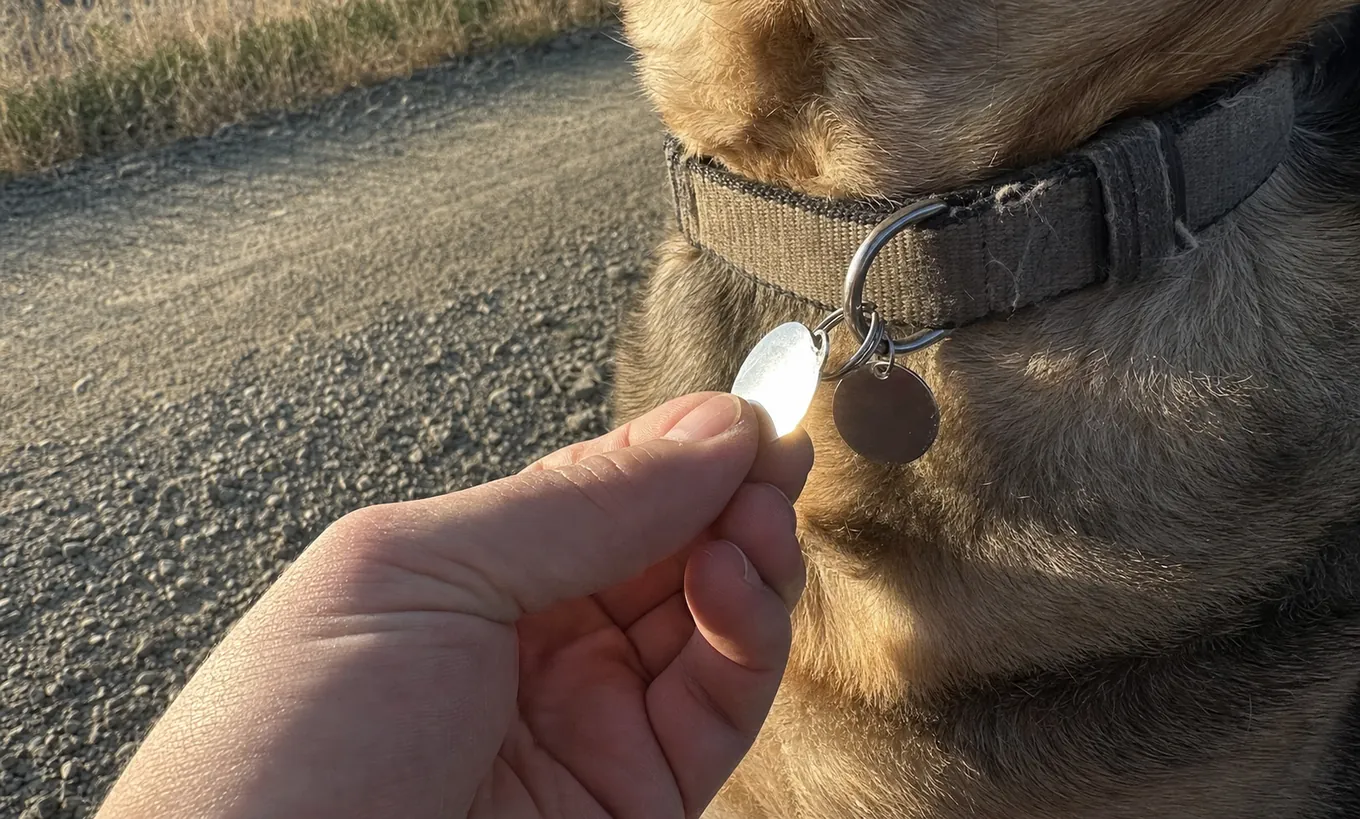
- Microchip number, whether registration is current, and whether the ID tag is physically on the collar.
- What to do and who to call first if the dog gets loose.
If you’re in Boulder, one more thing. Off-leash access on designated Open Space and Mountain Parks (OSMP) trails runs through the Voice & Sight Tag Program, and the owner’s tag doesn’t transfer to you.
Guardians register themselves, and the city offers a Dog Walker Only registration for people who walk other people’s dogs. That path still requires the city’s free online education course. Taking a tagged dog off-leash while unregistered is its own violation. Getting paid for the walk adds an OSMP Commercial Use Permit on top.
Two dogs is the limit under Voice & Sight, and you carry a leash for each. Ask what the dog does when it spots wildlife: chasing it is one of the faster ways to lose the privilege.
What to Ask About Emergencies and Veterinary Care
Get three contacts in writing before day one: the primary vet, the emergency clinic, and a local person with a key. Then ask what you’re authorized to spend.
The three contacts you need before day one
Collect these at the meet & greet, on paper. Not by text at 9pm on a Saturday, which is precisely when you’ll need them.
- Primary veterinarian: name, address, hours, and whether you’re listed on the file as authorized to bring the dog in. Ask the owner to call ahead and add you.
- The 24-hour emergency clinic the owner prefers, plus the drive time from the house. The nearest clinic and the preferred one aren’t always the same.
- A local person with a key: neighbor, family, a friend nearby. Someone who can get in when you can’t.
Ask too whether the dog is insured and how a bill actually gets paid. That’s a bad thing to work out at the counter. Add one more number to the list while you’re there: the ASPCA Animal Poison Control Center runs 24 hours a day, 365 days a year on (888) 426-4435, and a consultation fee may apply.
The authorization questions that separate a booking from a favor
A favor doesn’t need any of this. A booking does. These questions are what let you act instead of wait.
- What you’re authorized to approve before reaching the owner. Ask for a figure and write it down. A clinic will ask you for one.
- Whether written treatment authorization is already on file with the vet.
- Who decides if the owner can’t be reached. Name that person out loud before you leave.
- The owner’s itinerary, time zone, and the hours they can realistically answer. Reachable means something different at sea.
- What the owner wants done for something concerning but not urgent: limping, off food, one round of vomiting.
So ask when the dog normally walks. Then ask what the owner wants you to do on the days the weather says otherwise.
What to Ask About the Home
You’re responsible for a house, not just a dog. Ask how you get in, who else can, and what to do when something in the building goes wrong.
Access, security, and who else has a key
The dog questions get all the attention. The house questions are the ones that wake you up.
- Entry method, alarm codes, and what happens if a code or lockbox fails. Often the fallback is the same local contact you already listed.
- Who else has access during the stay: cleaners, landscapers, family, contractors. You want to know who belongs there, so a stranger at the door isn’t a judgment call you make alone.
- Whether there are interior cameras, and where. Just ask. Most owners answer straight back, and you’d rather know than wonder.
- Wi-Fi name and password, if a feeder, camera, or door app needs it. Ask where the modem is, too, in case it needs a restart.
- Trash day, mail, packages, plants, and the thermostat.
Hazards, cleanup, and things going wrong
These seem minor while you’re standing in the kitchen. They stop seeming minor once you’re alone with the house.
- Off-limits rooms and known hazards: the cabinet that doesn’t latch, the gate that swings open, the gap behind the fence.
- Where the cleaning supplies live, and how the owner wants accidents handled.
- What to do about property damage. A burst pipe, hail, a power outage. Ask who to call and what you’re allowed to arrange on their behalf.
- Where dog waste goes: which bin, and whether pickup falls during your stay.
Everything up to here covers the animal and the address. The last set of questions covers you.
What to Ask About Payment, Scope, and Paperwork
Define the job before you talk about money. Visits per day, length of each, how many pets, and what counts as an add-on. Scope sets the number.
The real answer behind “how much should I charge for pet sitting?”
A flat daily figure means very little on its own. The same amount can be fair for two short drop-ins and thin for a week of overnights with medication twice a day.
So price the work, not the day.
- How many visits per day, and how long each one runs.
- Overnight stay or drop-ins, and how many pets total.
- What’s included and what’s an add-on: giving medication, extra pets, mail and plants, extra time.
- Holiday, last-minute, cancellation, and bad-weather terms. This is where the weather conversation becomes a policy instead of a text message.
- Deposit and payment method, and when the money actually arrives.
- Tipping. If it comes, it comes from the owner. Never raise it yourself.
Actual numbers depend on your market, your experience, and what the stay involves.
The paperwork that protects both of you
Written records aren’t bureaucracy. They’re proof of what you both agreed to, written on a day when nobody was upset.
- A signed service contract with the scope of work spelled out.
- Veterinary release and treatment authorization, matching the spending limit you agreed on.
- Key handling, return, and access terms.
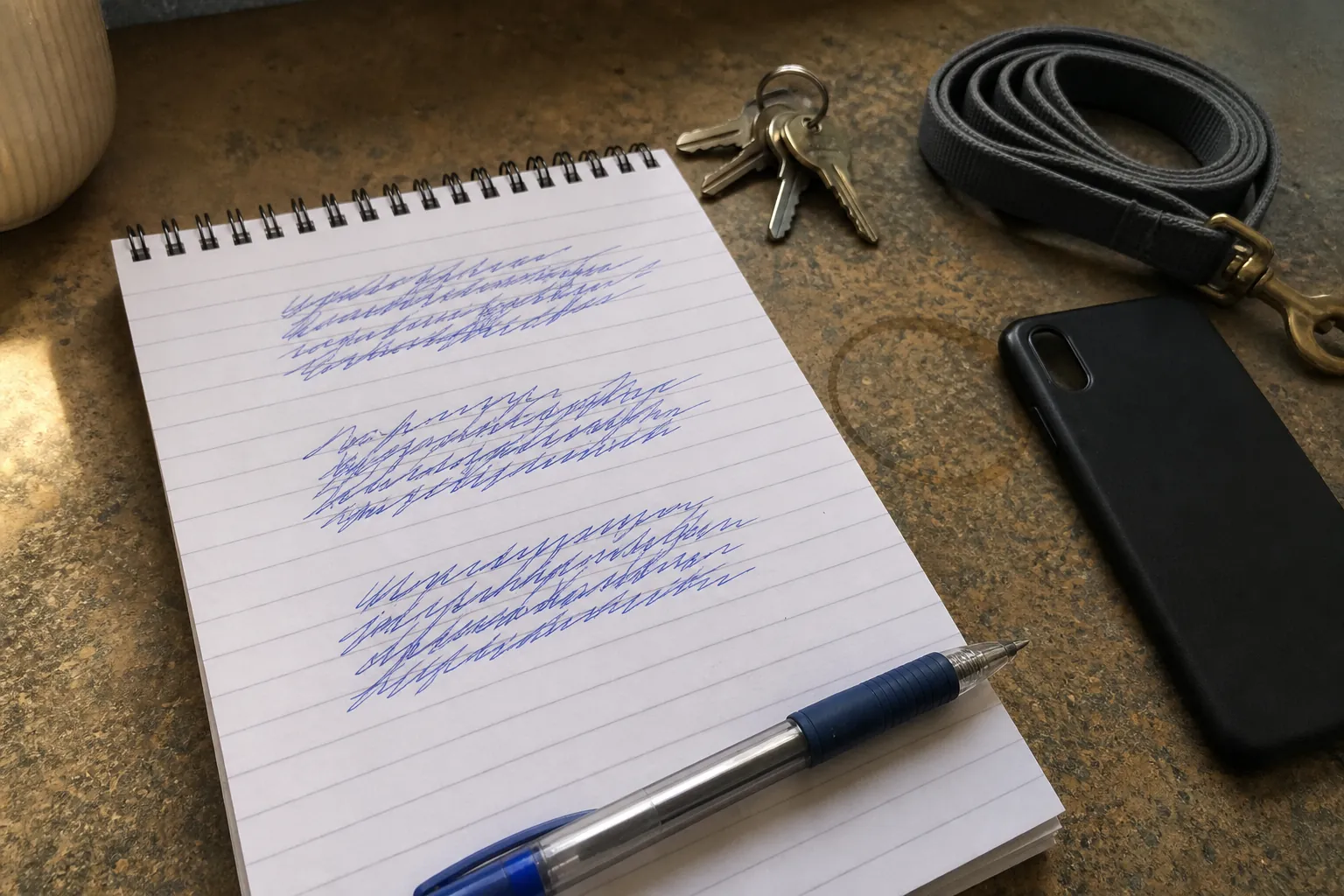
- A written intake form completed during the meet & greet, while the owner is still in front of you. Not from memory in the car afterward.
Pet sitting forms exist so you’re not rebuilding your list from scratch on every booking. Start from a pet sitting questionnaire template and fill in what’s specific to each dog.
Warning Signs in a Booking Worth Slowing Down For
Some bookings tell you what they’ll be before they start. Slow down when an owner won’t meet, won’t sign, or won’t answer straight.
When to ask more questions before you say yes
Plenty of advice covers how to make a good impression on a first visit. Less of it covers what to notice while you’re the one being looked over.
- The owner declines the meet & greet, or rushes you through it. The intake is the job. Skipping it tells you something.
- Vague, shifting, or minimized answers about bite history. You asked plainly. Watch whether the answer stays still.
- Unwillingness to sign anything, or to put vet authorization in writing. Verbal agreements don’t survive a bad night.
- Pets that turn up at handover and never came up before. Two dogs is a different job than one. So is a cat nobody mentioned.
- No emergency contact, or an owner who’ll be truly unreachable. Someone has to be able to make a decision.
- A booking past what you’ve handled. A dog recovering from surgery or managing a chronic condition needs medical competence at the core of the stay, not layered on as an extra. Say so if that isn’t you yet.
Declining well
Saying no early costs you one booking. Saying yes to the wrong one costs more than that.
- Refer them to someone who handles it. A colleague with the right experience is a better answer than a reluctant yes.
- Offer a smaller version of the job. Drop-in visits instead of overnights, or a shorter stay, can work when the full booking can’t.
A no with a referral attached still reads as professional. Owners remember who was straight with them.
The Questions to Ask When Dog Sitting, in Order
Health and medication first, because those answers carry the least slack. Then the shape of an ordinary day. Then behavior and triggers, so you know what the dog does when the day stops being ordinary.
After that, the three contacts and the spending limit. Then the house: access, hazards, and who else holds a key. Money and paperwork last, once you know what the job actually is.
Six categories, one meet & greet. That’s the whole sequence.
| Question domain | What it settles | The one question to not leave without |
|---|---|---|
| 1. Health and medication | Dosing you can actually perform, not just record | Can you show me one dose going in? |
| 2. Daily routine | The shape of an ordinary day, in sequence | Walk me through one day in order, wake-up to bedtime |
| 3. Behavior and triggers | What the dog does when the day stops being ordinary | What does the reaction look like? |
| 4. Emergencies and vet care | Who you call, and what you can decide alone | What am I authorized to approve before reaching you? |
| 5. The home | Access, hazards, and who else comes through the door | How do I get in if the code fails? |
| 6. Payment and paperwork | Scope first, then price, then signatures | What’s included, and what’s an add-on? |
None of it depends on how long you’ve been doing this. A first-time sitter who asks all six arrives better prepared than a seasoned one who assumes. Competence shows up before the owner leaves, not after something goes wrong.
So write the answers down while you’re still standing there. Memory feels generous in the moment and turns unreliable by morning.
The dog sitting intake questionnaire
All six question domains on one page, with space to write the answers down while you’re still standing there. Print it or fill it in on your phone.
Frequently asked questions
What questions should you ask pet owners before dog sitting?
Cover six areas: health and medication, the daily routine, behavior and triggers, emergency and vet authorization, home access, and payment and paperwork. Ask for a demonstration on medication, and for a walkthrough of one ordinary day in sequence rather than topic by topic.
How much should you charge for pet sitting?
Scope sets the number. Confirm visits per day, length of each visit, overnight or drop-in, how many pets, and what counts as an add-on before you quote. The same daily rate can be fair for two short visits and thin for a week of medicated overnights.
When should you turn down a dog sitting job?
Slow down when an owner declines the meet and greet, gives shifting answers about bite history, won’t put vet authorization in writing, or names pets that never came up. Declining early with a referral costs one booking. The wrong yes costs more.
Hiring a sitter rather than doing the sitting? 15 critical questions to ask a pet sitter.