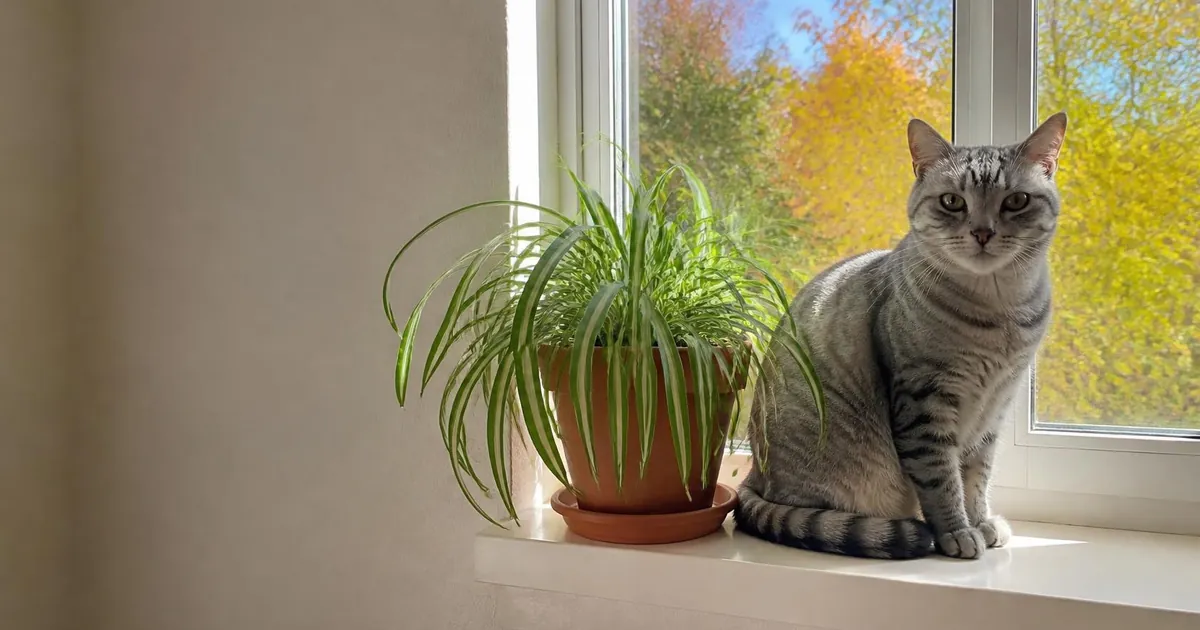
The most dangerous plant for your cat probably isn’t growing in your yard. It’s more likely sitting in a vase on the kitchen counter.
Search for toxic plants for cats and you’ll find long, alphabetical lists. One popular guide runs to 37 plants, from lilies to wisteria. Lists like that are thorough, but they make every plant look equally risky, and they bury the few that matter most.
For cats here in Colorado, the real risks make a much shorter list, and most of it lives indoors: lilies above everything else, a handful of popular houseplants such as pothos, philodendron and jade, and a few things in the kitchen, the medicine cabinet and the garage.
This guide walks you through that short list. You’ll learn which plants deserve real caution, which household toxins for cats are easy to overlook, and exactly what to do if your cat gets into something it shouldn’t. No panic, just the things worth knowing.
Lilies: The One Plant Every Cat Owner Needs to Know
If you remember one thing from this guide, make it this one.
Are lilies toxic to cats? Yes, every part of them
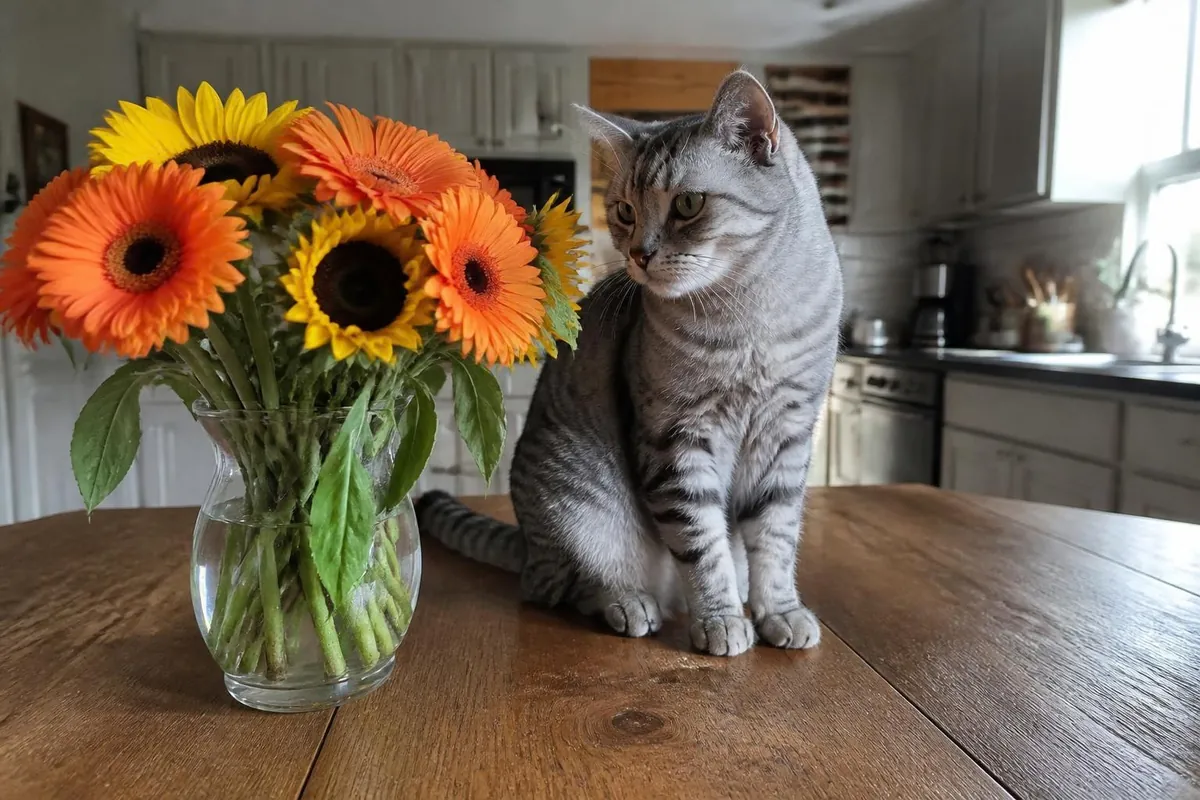
True lilies (Lilium) and daylilies (Hemerocallis) are among the most dangerous plants a cat can touch. According to International Cat Care, every part of the plant is toxic: petals, leaves, stem and pollen. Even drinking water from a vase that held lilies can be enough.
Cats don’t have to chew the flowers, either. A cat that brushes past a bouquet and then grooms pollen off its fur can be poisoned. That’s also why “pollen-free” lilies aren’t a safe choice for a home with cats.
Signs usually start within one to six hours: drooling, vomiting, refusing food and tiredness. The toxin attacks the kidneys, so this is a true emergency. Call your vet right away, even if your cat seems fine.
The “lilies” that aren’t true lilies
Some plants only share the name. Peace lilies, calla lilies and lily of the valley contain different toxins. A peace lily, for example, irritates the mouth and can cause drooling and vomiting. None of them belong within a cat’s reach.
Lilies usually arrive through the front door, in cut-flower bouquets: a hostess gift, a holiday centerpiece, a get-well bunch. If you have a cat, it’s fine to pass on the lilies.
Toxic Plants for Cats in Colorado Homes and Yards
After lilies, the list gets shorter and calmer. These are the plants most likely to be in a Colorado home or yard, and the ones worth moving out of reach.
Houseplants that show up in Colorado homes
A Colorado home inspector who sees pets in homes every week lists the same few houseplants again and again: pothos, philodendron, peace lily, English ivy, jade plant, elephant ear and aloe. Most of them cause drooling, mouth irritation and vomiting. Jade is more serious and can slow a cat’s heart rate.
Poinsettias have a scarier reputation than they deserve. They are usually only mildly toxic, causing an upset stomach rather than anything lasting.
You don’t need to clear out every plant. Put the risky ones up high, in a room your cat can’t reach, or swap them out.
In the yard and the catio
If your cat spends time outside or in a catio, look at what’s planted nearby. Colorado State University’s guide to poisonous plants lists several common landscape trees and shrubs as potentially poisonous to animals, including yew, chokecherry and Kentucky coffeetree.
That last one is planted widely around Denver; the city’s parks alone have more than 3,100 of them. Yew and chokecherry are on our list of poisonous plants for dogs in Colorado too, so one yard check covers both pets.
Spring bulbs belong on the list too. Tulips and daffodils are toxic to cats, and the bulbs carry the most risk, so keep a bag of bulbs out of reach while you plant.
Cat-safe swaps
Plenty of houseplants are safe for cats. Spider plant, Boston fern, prayer plant and Christmas cactus are easy choices, and a pot of oat grass or wheat grass gives your cat something it’s allowed to chew.
One word of caution: plant lists don’t always agree. One widely shared clinic article lists asparagus fern as both toxic and safe. When you’re unsure, check the plant’s name in the ASPCA’s toxic and non-toxic plants database before you buy it.
Household Toxins for Cats Beyond the Plant Shelf
Plants get most of the attention, but plenty of household toxins for cats live in the kitchen, the bathroom and the garage. The good news is that most of them are easy to put away.
What foods are toxic to cats
Cornell University’s Feline Health Center lists the human foods to keep off your cat’s menu:
- Onions
- Grapes and raisins
- Chocolate
- Avocado
- Anything containing xylitol, an artificial sweetener
October makes this one timely. Halloween candy bowls tend to sit within easy reach, and chocolate and xylitol are both on the list. If you’d rather share something safe, our guide to fruits and vegetables for dogs and cats covers the better options.
The medicine cabinet, and the dog’s flea treatment
Human medicines are a common cause of poisoning in cats. Aspirin, acetaminophen (Tylenol), ibuprofen and even vitamins can all be dangerous. Cats often gobble up pills they find on a table or the floor, so pick up anything that falls and never give your cat a human medicine unless your vet tells you to.
If your home has a dog as well as a cat, watch the flea treatment. Cornell warns that flea medication made for dogs can be acutely toxic to cats, and that cats shouldn’t be allowed contact with a treated dog for 24 hours.
Keep the two apart after you apply it, and never use a dog product on your cat.
Garage and garden chemicals
The rest of the list is the stuff most of us store in the garage or under the sink:
- Antifreeze
- Rat and mouse poison
- Snail and slug bait
- Fertilizer and weed killer
- Insect sprays
- Household cleaners, including bleach and disinfectants
- Paint thinner and pool chemicals
Store them on a high shelf or behind a closed door, wipe up spills promptly, and keep an outdoor cat away from the lawn after it’s been treated.
What to Do If Your Cat Eats Something Toxic
Common signs of poisoning in cats include drooling, vomiting, diarrhea, low energy, loss of appetite, trouble swallowing and seizures. Don’t wait for them, though. Cornell notes that by the time an owner spots a problem, a cat may already be seriously at risk.
If you think your cat ate something toxic:
- Move your cat away from the plant or product.
- Call your vet, or ASPCA Animal Poison Control’s 24-hour line at (888) 426-4435.
- Have the plant’s name or the product label ready when you call.
Frequently Asked Questions
Which indoor plants are most toxic to cats?
True lilies and daylilies are by far the most dangerous, because even a small amount can cause kidney failure. Other common houseplants to keep out of reach include pothos, philodendron, peace lily, jade plant, aloe and elephant ear.
What happens if my cat brushes against a lily?
Lily pollen can stick to your cat’s fur. When your cat grooms itself and swallows that pollen, it can be poisoned. If your cat has been near a lily, call your vet right away rather than waiting for signs.
What plants can I have if I have a cat?
Many popular plants are safe for cats, including spider plant, Boston fern, prayer plant and Christmas cactus. A pot of oat grass or wheat grass also gives your cat something it’s allowed to chew. Check new plants in the ASPCA database first.
What is the most poisonous plant to cats?
Lilies. Every part of a true lily or daylily is toxic to cats, including the pollen and the water in the vase. Signs can appear within one to six hours, and without fast treatment, lily poisoning can be fatal.
Conclusion: A Short List Beats a Long One
You don’t need to memorize every plant on a 37-item list. For a cat in a Colorado home, the list that matters is short.
Keep lilies out of the house entirely. Move a handful of common houseplants out of reach, and think twice about what’s planted near the catio. Put human food, medicines and the dog’s flea treatment where your cat can’t get to them, and keep the garage chemicals on a high shelf.
Knowing those few things protects your cat better than any alphabetical list. And if something does go wrong, call your vet straight away.
When you’re traveling, the same care should continue while you’re gone. Off Road Paws cat sitters visit cats across Boulder, Louisville, Lafayette and Broomfield, keeping their routines steady and their homes safe until you’re back.