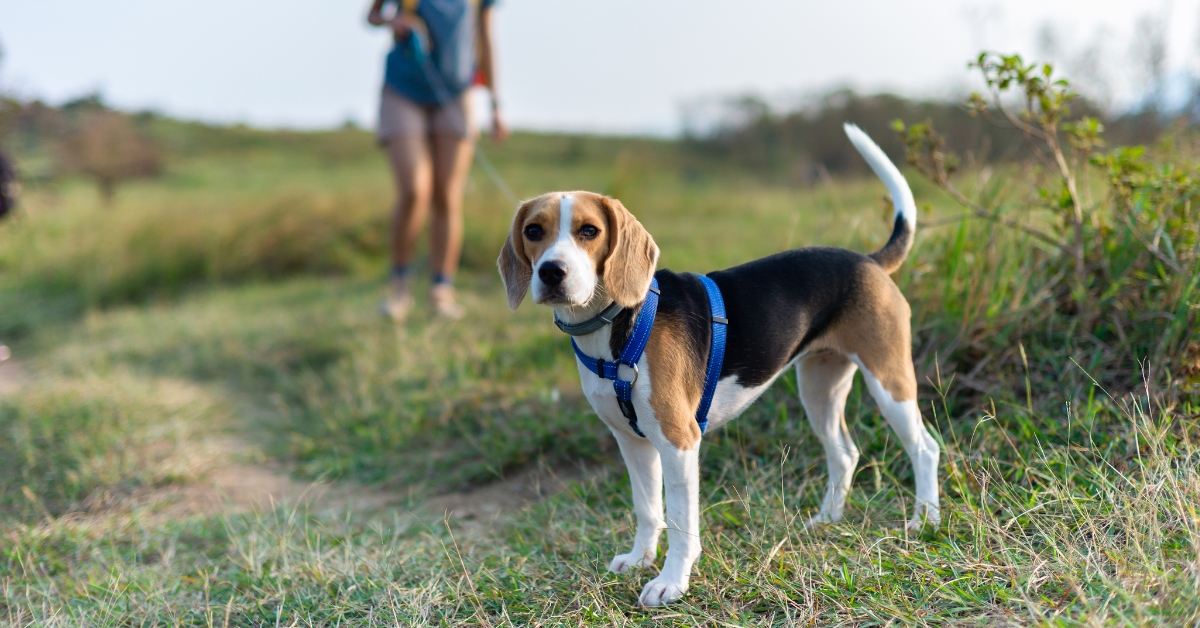
Sharing an adventure on a beautiful Colorado trail with your dog is a special experience. The fresh mountain air and stunning views create a powerful bond. You get to see your best friend happy, exploring the great outdoors by your side.
However, our state’s rugged wilderness presents unique challenges. Unpredictable weather, high altitude, and local wildlife require special care. Ensuring proper dog hiking safety in Colorado means being prepared for more than a simple walk in the park.
As a company founded by a veterinarian, Off Road Paws builds every service and piece of advice on a veterinarian-informed approach. Your dog’s safety depends on proactive fitness conditioning, smart preparation, and awareness of local trail risks. We will walk you through the essential steps to make your hike both joyful and safe.
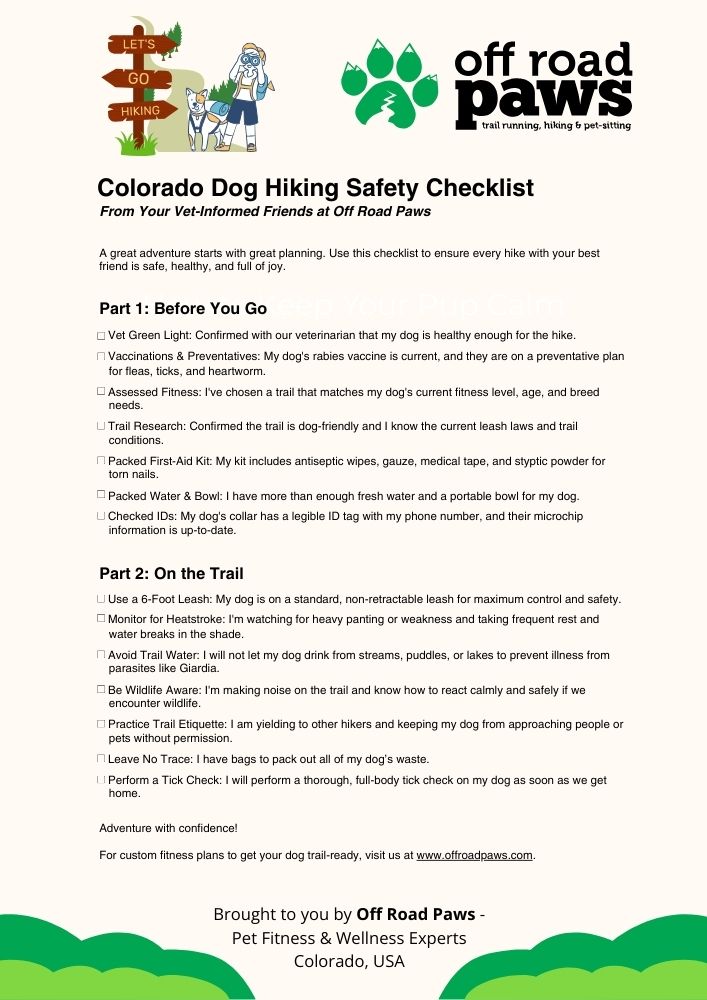
Here, you will find a checklist of expert tips for your next adventure. To make it even easier, you can download a free printable version of this safety checklist at the end of the article.
Part 1: Before You Go – Your Pre-Hike Safety Checklist
A great adventure starts with great planning. Proper dog hiking safety in Colorado begins at home, long before you and your furry friend hit the trail. These first steps are crucial for a fun and worry-free day in the mountains.
1. Get the Veterinary Green Light
Before any strenuous activity, you need to know your dog is healthy enough for the challenge. A quick check-in with your vet can prevent a medical emergency on the trail. This is the most important first step.
Make sure your pet’s vaccinations are current, especially for rabies and leptospirosis. Your dog should also be on a year-round prevention plan for fleas and ticks and heartworms, as these pests are common in the outdoors.
2. Honestly Assess Your Dog’s Fitness Level
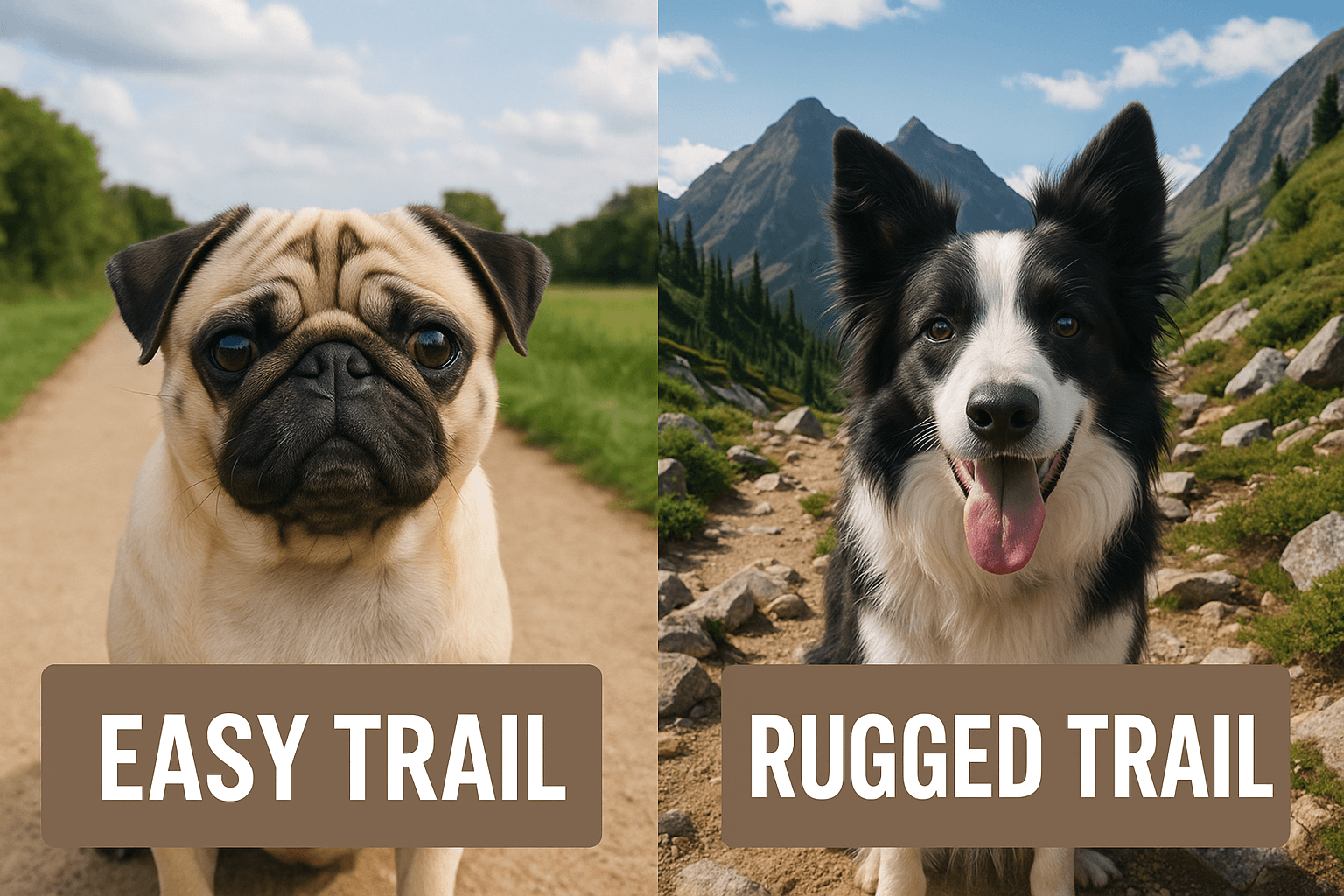
Just like people, dogs have different levels of fitness. A trail that is easy for one dog might be too difficult for another. Always match the hike to your dog’s ability, not the other way around. A great first step is to fill out a dog fitness questionnaire to get a baseline.
If your dog is used to short neighborhood walks, start there. Gradually build their stamina with longer, more challenging walks before you try a tough mountain trail. This helps prevent injury and exhaustion.
Pay close attention to your dog’s specific needs. Senior dogs with arthritis, young puppies, and flat-faced breeds like pugs or bulldogs may struggle more with heat and difficult terrain. Choose shorter, flatter trails for them.
3. Research Your Trail
Every trail has its own rules and conditions. A little research beforehand saves you from showing up to a place where dogs are not allowed. It is a simple step that guarantees a smooth start to your day.
Always confirm that your chosen trail is dog-friendly and check its specific leash laws. Many areas have different rules, so it’s important to know before you go. For local ideas, check out our guide to the best dog hiking trails in Louisville.
Finally, look for recent trail reports from other hikers. These updates can give you valuable information on current conditions, such as mud, snow, or recent wildlife sightings. This helps you know exactly what to expect.
4. Pack a Pet-Specific First-Aid Kit
Scrapes, scratches, and torn nails can happen on rough terrain. A dedicated first-aid kit allows you to manage minor issues right on the trail. Being prepared can prevent a small injury from becoming a big problem.
Your kit should include basics like gauze, medical tape, antiseptic wipes, antibiotic ointment, and tweezers. These items will help you clean and protect a small wound until you can get home.
Dr. Kira’s Tip: In Colorado, I recommend packing a small comb to carefully remove plant burrs, foxtails, and grass awns after your walk. These barbed seeds can burrow into your dog’s skin and cause serious problems — from painful abscesses and infections to even migrating into the chest cavity or entering the nose and ears. It’s also a good idea to carry styptic powder, which can quickly stop bleeding if a nail gets torn.
5. Prioritize Hydration (for Both of You)
Dehydration is a serious risk for dogs, especially in Colorado’s dry climate and high altitude. Your dog can’t tell you when they are thirsty, so you have to plan for them. Do not rely on finding water on the trail.
Always carry plenty of fresh water and a portable bowl for your dog. Offer them a drink regularly, especially during strenuous parts of the hike and on warm days, to prevent heatstroke.
Never let your dog drink from standing water, streams, or lakes. These sources can contain harmful bacteria and parasites, like Giardia, which can cause severe intestinal illness.
6. Double-Check IDs
Even the most obedient dog can get spooked or wander off in an unfamiliar environment. Proper identification is your pet’s best ticket home if you get separated. This simple check is one of the most important things you can do.
Ensure your dog is wearing a sturdy collar with a clearly legible ID tag. The tag must include your cell phone number so anyone who finds them can reach you immediately.
A microchip is a vital, permanent backup ID that can’t fall off. Before you go, confirm your contact information is up-to-date with your dog’s microchip registry.
Part 2: On the Trail – Your In-Hike Safety Checklist
Once you are on the trail, your focus shifts from planning to awareness. Active management is the key to dog hiking safety in Colorado. Paying attention to your dog and your surroundings will ensure the adventure stays positive from start to finish.
7. Use a Fixed Leash for Control
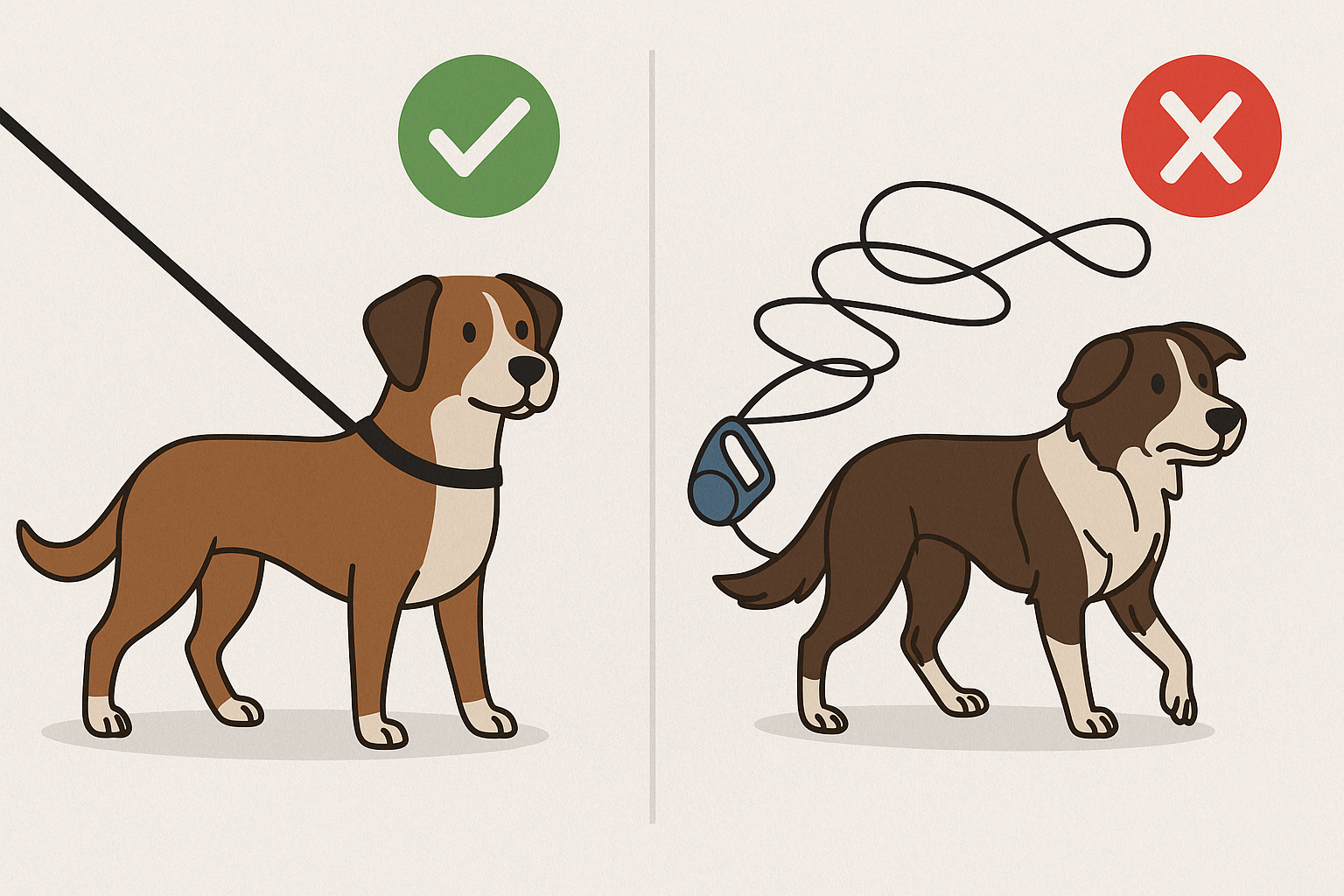
Your leash is the most important safety tool you have. It is not just about following trail rules; it is about keeping your dog safe from unpredictable dangers. A standard 6-foot leash gives you the control you need.
Always keep your dog leashed on the trail. This prevents them from getting lost, startling wildlife, or running ahead onto dangerous terrain like a steep drop-off.
Dr. Kira’s Tip: Avoid retractable leashes. They offer little control if your dog suddenly encounters a snake or another animal and can easily get tangled or snap.
8. Monitor for Heat Stroke and Exhaustion
Dogs cannot cool themselves down as well as humans do. They are much more vulnerable to overheating, especially on warm, sunny Colorado days. You must be their advocate and watch them closely for signs of trouble.
Look for the early signs of heat stroke like heavy panting, excessive drooling, weakness, or stumbling. If you notice any of these, stop immediately and find a cool spot for your dog to rest.
Take frequent breaks in the shade and offer your dog water often. This is especially important on trails with little tree cover or during the warmest parts of the day.
9. Be Wildlife Aware
When you are hiking, you are a guest in the home of wild animals. Respecting their space is crucial for everyone’s safety, especially when it comes to animals like rattlesnakes. The best way to handle a wildlife encounter is to avoid having one in the place.
Make some noise while you walk by talking or adding a bell to your pack. This alerts animals to your presence so you do not surprise them, which is a common cause of defensive attacks.
If you see common Colorado wildlife like a black bear or coyote, do not run. Pick up your small dog if you can, make yourself look as big as possible, and slowly back away while facing the animal.
10. Practice Good Trail Etiquette
A safe trail is a friendly trail. Good etiquette ensures a positive and respectful experience for you, your dog, and everyone else you meet. It is a simple way to show you are a responsible dog owner.
Always yield to hikers who do not have a dog. The best practice is to step to the side of the trail and have your dog sit by your side until they pass.
Remember that not everyone is comfortable around dogs. Do not allow your dog to approach other people or their pets unless you get clear permission first.
11. Leave No Trace
Part of enjoying Colorado’s natural beauty is helping to protect it. The “Leave No Trace” principle is simple: pack out everything that you pack in. This keeps our trails clean and safe for wildlife and future hikers.
This rule absolutely includes your dog’s waste. You must bag all of your dog’s waste and carry it with you until you find a proper trash can. Never leave bags on the side of the trail.
12. Perform a Post-Hike Tick Check
Your hike is not officially over until you have done one last safety check at home. Ticks are common in Colorado’s grassy and wooded areas, and finding them quickly is very important.
After every hike, perform a thorough tick check on your dog. Be sure to check their entire body for any new bumps or dark spots.
Dr. Kira’s Insight: Ticks can be as small as a poppy seed, so take time to run your hands slowly over your dog, feeling for any tiny bumps. Always keep a tick removal tool or a fine-tipped tweezer in your first aid kit — it makes safe removal much easier. Remember, removing ticks within 24 hours can greatly reduce the risk of disease transmission.
Conclusion: Adventure with Confidence
Hiking with your dog in Colorado is one of the most rewarding experiences you can share. By preparing before you go and staying vigilant on the trail, you can confidently protect your dog from the unique challenges of our beautiful state.
This veterinarian-informed checklist is your roadmap to adventure. If you need help getting your dog trail-ready, our custom dog hiking and fitness services can build their stamina safely.
Ready to hit the trails? Download our Free Printable Colorado Dog Hiking Safety Checklist to take with you on your next adventure!